The proposed measure could materially accelerate tax deductions and improve near term cash flow for businesses investing in eligible property in Canada.
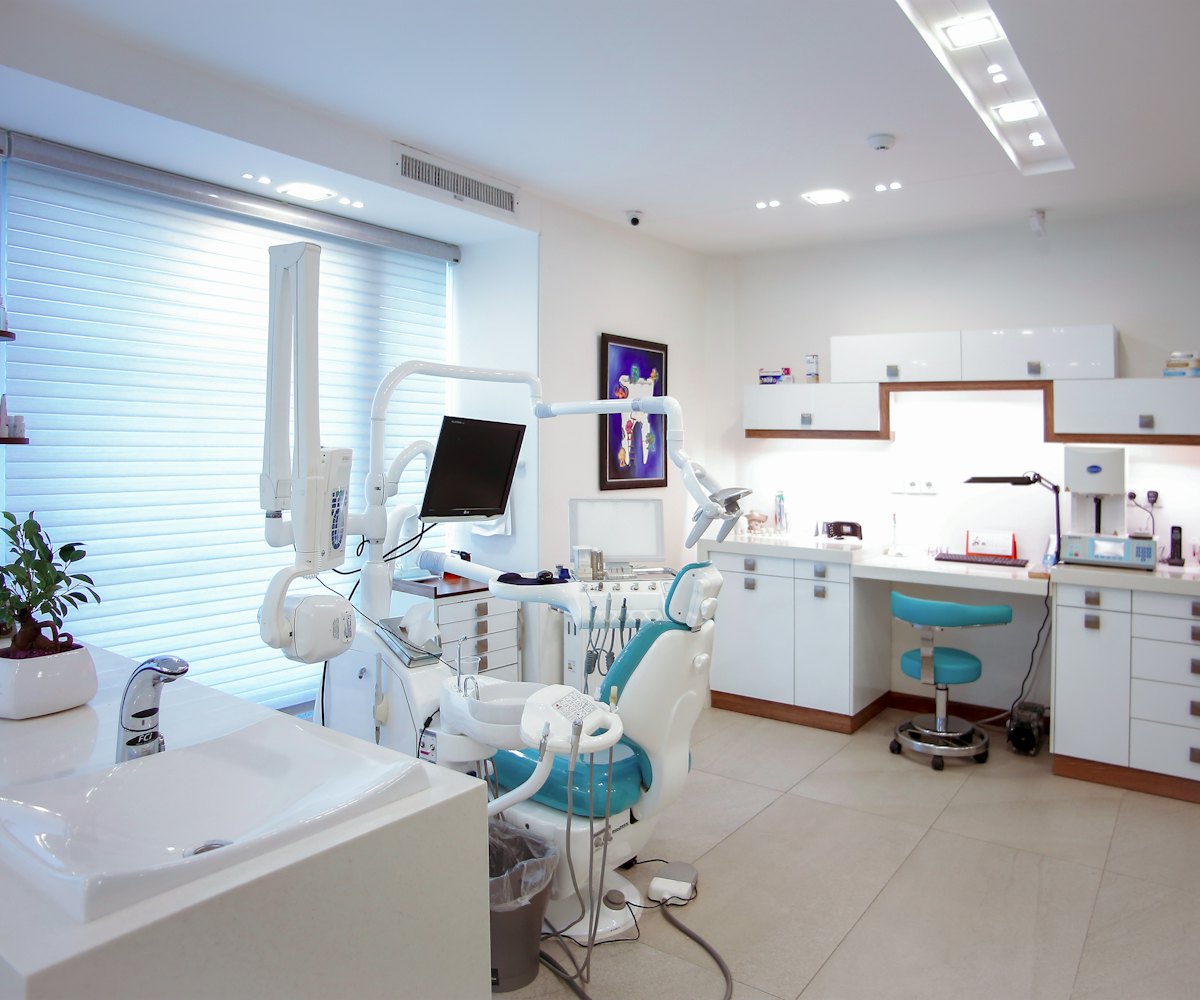
If you own a dental clinic, treatment chairs, imaging systems and practice software add up quickly. Under the proposed Productivity Mega Deduction, announced on September 15, 2026 and carried into Budget 2026, much of that equipment could be deducted in full the year it goes into use instead of over many years.
Why this matters
Accelerating deductions does not change the total you can deduct over the life of an asset. It lets you claim the deductions earlier. That can reduce tax payable in the early years of an investment, improve cash flow and lower the after tax cost of a project.
The federal government estimates that the share of depreciable assets eligible for immediate expensing would rise from about 15% to about 65%. It also estimates that Canada's marginal effective tax rate on new business investment would fall from 13% to 6.4%. That figure is an economy wide measure of the tax cost of new investment and is not your own tax rate.
Eligible property must be acquired on or after September 15, 2026. The deduction is available to corporations, individuals and partnerships.
Example: Dr. Sharma's dental clinic
Dr. Sharma practises through a professional corporation in Ontario that qualifies as a Canadian Controlled Private Corporation (CCPC). The clinic earns $620,000 in active business income. She buys $120,000 of equipment: two new treatment chairs, a 3D imaging unit, an intraoral scanner, digital imaging sensors, sterilization equipment and new practice management software and computers.
The federal small business rate is 9% on the first $500,000 of active business income. The general rate of 15% applies to income above that.
| Federal tax, year one | Without the deduction | With the full deduction |
|---|---|---|
| Taxable income | $620,000 | $500,000 |
| Taxed at 9% | $500,000 | $500,000 |
| Taxed at 15% | $120,000 | $0 |
| Federal tax | $63,000 | $45,000 |
| Federal saving | $18,000 |
Ontario's lower small business rate adds roughly $13,800 in savings. The total year one benefit is roughly $32,000.
This is a timing benefit and not free money. A full deduction now means less depreciation to claim later. The cash stays in the practice for lab costs, hygienist and assistant wages, equipment financing or the next upgrade.
What businesses and property would qualify?
The proposed Productivity Mega Deduction (PMD) would be available to businesses and other taxpayers that acquire eligible depreciable capital property on or after September 15, 2026. For individuals and partnerships with individual members, restrictions would prevent the deduction from being used to create or increase a loss.
Most property subject to the capital cost allowance (CCA) rules would qualify, including many investments in equipment, machinery, technology, furniture and other depreciable business assets. Key exclusions include:
- most buildings and building additions in CCA Classes 1 and 3
- franchises, licences, goodwill and other property in Classes 14 and 14.1
- certain vehicles in Classes 10 and 10.1
- certain other specifically excluded property
Canadian development expenses incurred on or after September 15, 2026, would also generally qualify.
| Dental clinic purchase | Likely treatment |
|---|---|
| Treatment chairs | Typically eligible |
| 3D imaging units, intraoral scanners and sensors | Typically eligible |
| Sterilization equipment | Typically eligible |
| Computers and practice management software | Typically eligible |
| Goodwill when buying a practice | Not eligible |
| Building additions | Not eligible |
| Operatory build outs and leasehold improvements | Needs careful classification |
Confirm the CCA class for each item with your accountant. Excluded assets may still benefit from existing accelerated depreciation measures.
Buying or joining a practice
Immediate expensing is not limited to newly manufactured assets. In certain circumstances, used property acquired from an arm's length party may qualify. Restrictions prevent the benefit from applying to property recycled within a related group or transferred on a tax deferred basis. If you are buying an existing practice, the purchase agreement may need to allocate the price between equipment, which may be eligible, and goodwill, which is excluded.
If you are a sole proprietor or in a partnership
If you are an individual, or a partnership with individual members, the deduction is limited to income from the business or property where the asset is used. It cannot create or increase a loss from that source. Eligible corporate partnerships are not subject to that limit. This can matter for associate dentists or group practices structured as partnerships.
Planning checklist
- Does each purchase fall within an eligible CCA class?
- Do the acquisition date and available for use timing meet the proposed rules?
- If buying used equipment, does it meet the arm's length requirement?
- Is any property being acquired in a tax deferred transaction?
- How will immediate expensing change your projected taxable income and cash taxes?
- How does the deduction interact with investment tax credits and other incentives?
Your transaction documents and asset register may need to separately identify eligible and excluded property, particularly in practice acquisitions involving multiple asset classes.
The proposals are still in draft
The proposals remain in draft form and may change before enactment. Do not buy equipment only for the tax benefit, since you still spend the cash. Speak with your accountant before committing to a purchase. Listed accountants for dentists on Good Accounting can review your equipment list and run the numbers for your professional corporation.
Assumptions behind the figures
The example uses Ontario's small business rate of 2.2%, effective July 1, 2026, and an Ontario general rate of 11.5% (not independently verified). A tax year that straddles July 1 would blend the old and new rates. The example assumes no depreciation would have been claimed in year one, so the real extra benefit is smaller. If Dr. Sharma's corporation is associated with other corporations, they share a single $500,000 small business limit.
Disclaimer: The information may be outdated. Please check with a registered CPA to verify the information. This post is general information, not tax advice. Good Accounting is a marketing platform that lists professionals; it is not an accounting firm.
Related service: learn how we can help.